Every business relies on digital content, from website pages and blog posts to product catalogs and customer portals. As content grows across multiple channels, managing it manually becomes time-consuming and difficult to scale.
This is where Content Management Software (CMS) comes in.
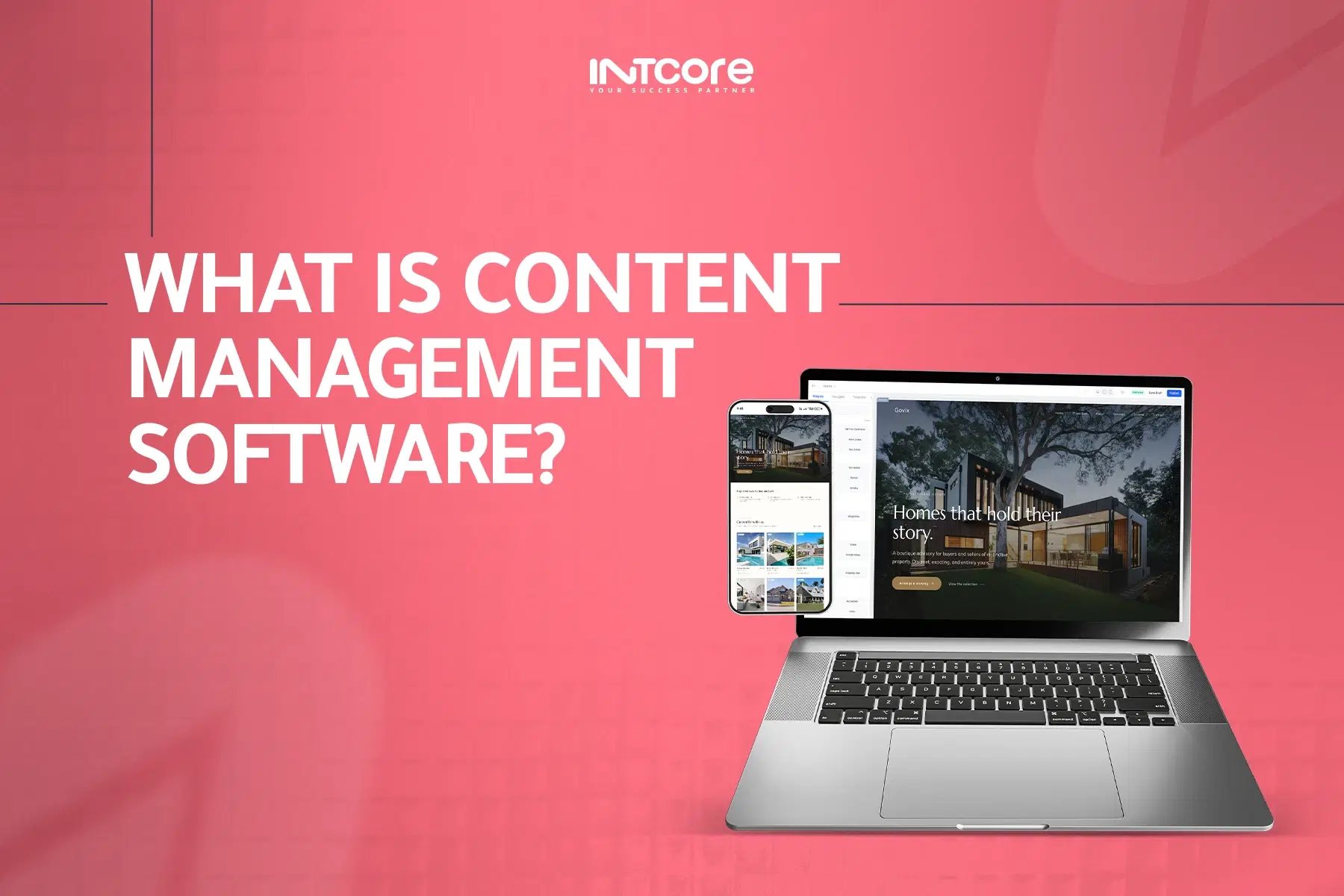
A CMS allows businesses to create, organize, manage, and publish digital content from a centralized platform without requiring extensive technical knowledge. It enables marketing teams, content creators, and business users to update content quickly while maintaining consistency and control.
What Is Content Management Software?
Content Management Software is a platform that helps businesses manage digital content through an intuitive interface. Instead of relying on developers for every update, users can create and publish content independently.
A CMS typically allows organizations to:
- Create and edit web pages
- Publish blog articles
- Manage media files
- Organize content categories
- Control user permissions
- Schedule content publishing
- Optimize content for SEO
- Manage multilingual content
- Track content revisions
The primary goal is to simplify content management while improving efficiency, governance, and scalability.
Why Businesses Need a CMS
As organizations grow, content becomes harder to manage. Without a CMS, businesses often face slow updates, inconsistent branding, poor collaboration, and scalability challenges.
A CMS helps by:
- Accelerating content updates
- Improving collaboration across teams
- Keeping content organized and searchable
- Enhancing security through role-based access controls
- Supporting SEO through better content structure and metadata management
Types of Content Management Systems
Traditional CMS
Traditional CMS platforms manage both content and website presentation within the same system. Popular examples include WordPress and Drupal.
Headless CMS
A Headless CMS separates content management from the front-end presentation layer. Content is delivered through APIs and can be used across websites, mobile apps, customer portals, kiosks, and other digital channels.
Hybrid CMS
Hybrid CMS solutions combine traditional content management with headless capabilities, providing flexibility while maintaining a familiar editing experience.
Key CMS Features in 2026
Modern CMS platforms offer far more than content publishing. Key features include:
- AI-assisted content creation and optimization
- Omnichannel content delivery
- Workflow automation and approval processes
- Personalized content experiences
- API-first integrations with CRM, ERP, e-commerce, and marketing platforms
These capabilities help businesses improve efficiency and deliver consistent digital experiences.
When Should You Upgrade Your CMS?
Signs that it's time to upgrade include:
- Slow website performance
- Difficult content updates
- Security concerns
- Lack of integrations
- Poor scalability
- Dependence on developers for simple changes
- Challenges managing multilingual content
If your website has evolved into a larger digital platform, a modern CMS can significantly improve performance and flexibility.
Final Thoughts
Content Management Software has evolved from a simple website publishing tool into a strategic business platform. In 2026, businesses need CMS solutions that support automation, AI, omnichannel delivery, and seamless integrations.
Choosing the right CMS can improve operational efficiency, enhance customer experiences, and support long-term digital growth, making it a critical investment for modern organizations.
Want to get started with CMS? Contact us now!