Developing a mobile application is no longer a luxury, it’s a business necessity. But while mobile apps can unlock new revenue streams, improve customer engagement, and streamline operations, the path from idea to launch is full of risks. From budget overruns and missed deadlines to poor user adoption, businesses often underestimate the complexity of mobile application development.
So, how can companies reduce these risks and maximize their return on investment? Let’s break it down.
1. Start With a Clear Business Objective
Too many businesses jump into development without defining what problem the app will solve or how it aligns with the company’s goals. A clear objective reduces the risk of scope creep and wasted investment.
Example: Instead of saying “We need an e-commerce app,” reframe it as “We want to increase repeat customer purchases by 25% through a personalized mobile shopping experience.”
2. Validate the Idea Early
One of the biggest risks is building an app no one uses. Before investing heavily:
- Conduct market research to identify competitors.
- Run customer surveys or focus groups to validate demand.
- Build a minimum viable product (MVP) to test adoption before full development.
This ensures you’re solving a real problem, not just an internal assumption.
3. Choose the Right Technology Stack
The wrong technology decisions can lead to performance issues, high maintenance costs, and difficulty scaling. Businesses should:
- Consider cross-platform frameworks like Flutter or React Native for faster time-to-market.
- Invest in scalable back-end architecture to handle future growth.
- Ensure the app follows security best practices, especially if it handles sensitive customer data.
4. Partner With Experienced Developers
Whether you build in-house or outsource, the expertise of your development team directly impacts success. Look for teams with:
- Proven experience in your industry.
- A portfolio of scalable, secure apps.
- Strong communication and project management processes.
This reduces risks of delays, technical debt, and poor-quality outcomes.
5. Implement Agile Development & Continuous Testing
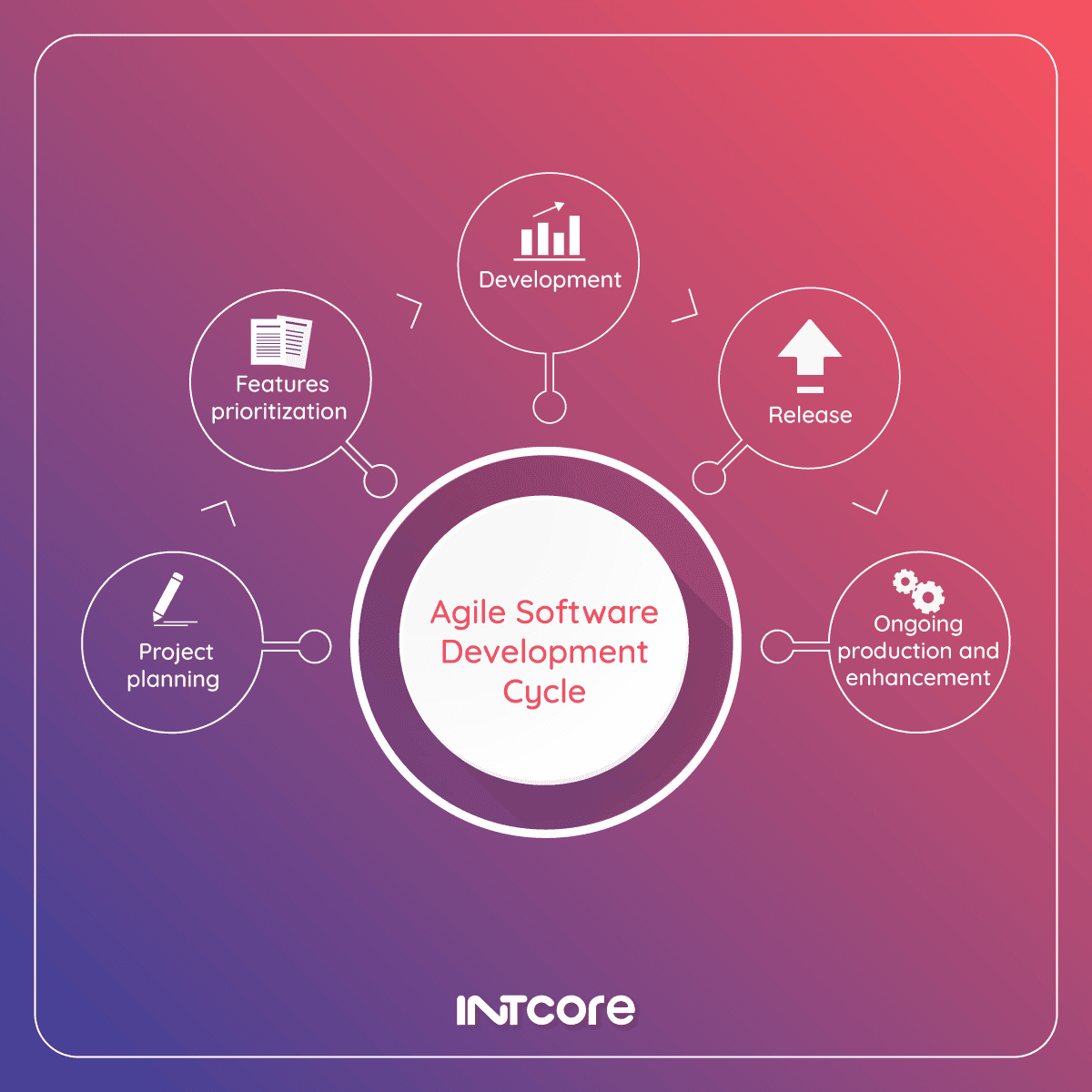
Agile methodologies reduce risks by breaking the project into smaller, testable sprints. Continuous testing throughout development ensures:
- Bugs are caught early (less costly to fix).
- Features align with business goals.
- The app remains user-friendly and secure.
Instead of discovering issues at launch, businesses can pivot and adapt along the way.
6. Focus on User Experience (UX) From Day One
An app that isn’t intuitive won’t retain users, no matter how advanced its features are. Businesses should:
- Prioritize simple navigation and clean design.
- Test prototypes with real users early.
- Consider accessibility and inclusivity.
By investing in UX upfront, you reduce the risk of high churn after launch.
7. Plan Beyond Launch: Support & Updates
Launching the app is only the beginning. Businesses often fail when they don’t plan for post-launch maintenance and updates. A strong strategy should include:
- Ongoing bug fixes and performance improvements.
- Regular feature updates based on user feedback.
- Security patches to stay compliant with regulations.
Without long-term support, the app risks becoming outdated or losing users.
8. Track Metrics to Measure Success
Finally, businesses should use data-driven insights to reduce risks post-launch. Key metrics include:
- User acquisition cost (UAC)
- Retention rate
- Lifetime value (LTV) of app users
- Conversion rates
By tracking these KPIs, you can quickly identify what’s working and what needs to be optimized.
Final Thoughts
Mobile application development can unlock massive opportunities—but only if risks are managed properly. By starting with clear objectives, validating your idea, choosing the right technology, and planning for long-term support, businesses can significantly increase their chances of success.
In today’s fast-changing digital landscape, the safest strategy isn’t to avoid risks, but to manage them smartly from idea to launch.
Have an app idea and want to get started? Contact us now!